
When people think about foods high in protein, they usually name chicken, eggs, or protein shakes. But did you know there are many other great protein-rich foods that don’t get enough attention? Whether your goal is to gain muscle, lose weight, or just stay healthy, adding different protein sources to your meals is very helpful. Protein keeps your muscles strong, fills you up, and helps your body burn energy.
In this post, we’ll talk about 10 protein-packed foods that are often missed. These hidden stars are not only rich in protein, but they also give your body extra nutrients like fiber, amino acids, healthy fats, and antioxidants. No matter if you eat meat, are vegetarian, or vegan, these foods can help you meet your protein goals in fun, tasty ways. Let’s explore these lesser-known but powerful protein foods and learn how to enjoy them more in everyday meals!
1. Tempeh
Tempeh is a soy product from Indonesia that many people skip over in favor of tofu. It’s made by fermenting soybeans into a firm, thick block and has more protein than tofu—around 19 to 21 grams per 100 grams. Because it’s fermented, tempeh is good for your gut and digestion.
It’s full of useful nutrients like calcium, iron, and magnesium. Tempeh has a rich, nutty flavor that works great in all kinds of recipes. You can grill it, stir-fry it, marinate it, or add it to a salad. If you’re cutting back on meat but still want to eat a lot of protein, tempeh is a smart choice.
2. Hemp Seeds
Hemp seeds are tiny, but they offer a big protein boost—about 10 grams in just 3 tablespoons. They’re special because they give your body all nine essential amino acids, which is rare in plant foods. Hemp seeds also have good fats, especially omega-3 and omega-6, that support your heart and brain.
On top of that, they give you fiber, vitamin E, and magnesium. They taste mild and slightly nutty, so you can easily mix them into oatmeal, smoothies, yogurt, or even salads. Because they’re gentle on your stomach and easy to use, hemp seeds are a great way to eat more protein every day.
3. Seitan
Seitan is made from gluten, the main protein found in wheat. It’s often called “wheat meat” and has about 21 grams of protein per 100 grams. Though it looks and feels like meat, it’s totally plant-based. Seitan is packed with selenium and also has some iron, calcium, and phosphorus.
To make it, wheat dough is rinsed with water until only the gluten remains. This gives it a chewy texture that works well in many meals. You can cook seitan in stir-fries, stews, or even on the grill. If you don’t have gluten issues, seitan is a tasty way to get more plant protein.
4. Cottage Cheese
Cottage cheese isn’t talked about as much as milk or yogurt, but it’s full of nutrition. A half-cup of low-fat cottage cheese has about 14 grams of protein and only a little fat. It contains casein protein, which digests slowly and keeps you feeling full longer. Cottage cheese also gives you calcium, vitamin B12, and phosphorus.
Its soft flavor means it can be eaten plain or mixed with fruits, veggies, or even used in protein-packed pancakes. It’s a great snack or meal base for anyone who wants high protein without too many calories. Cottage cheese is an easy and often forgotten protein food.
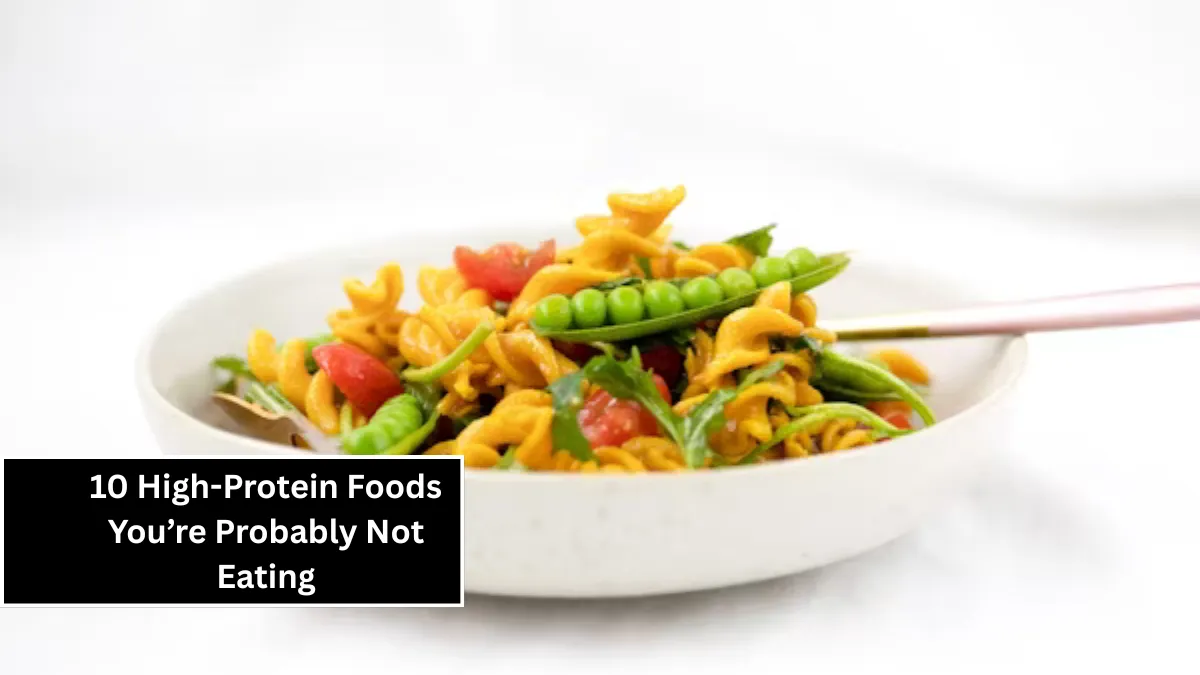
5. Lentil Pasta
While regular pasta is mostly carbs, pasta made from lentils is loaded with protein. Lentil pasta is made from red or green lentil flour and gives you about 13 to 15 grams of protein per serving. Since lentils are high in both protein and fiber, this pasta is a healthy option.
It’s also gluten-free, so people with gluten problems can enjoy it too. Lentil pasta tastes a lot like regular pasta and works well in the same recipes. It also has iron, folate, and magnesium. Whether you want to eat more plants or just get more nutrients, lentil pasta is a smart choice.
6. Edamame
Edamame are young green soybeans that come from East Asian dishes. A one-cup serving has about 17 grams of protein and is a complete protein source. That means it has all the amino acids your body needs. Edamame is also packed with fiber, iron, calcium, and folate.
It’s super easy to make—just steam or boil and add a pinch of salt. You can snack on them, or toss them into salads, stir-fries, and grain bowls. Edamame is a whole food, full of nutrients and antioxidants. It’s tasty, filling, and a great addition to any meal that needs a protein boost.
7. Spirulina
Spirulina is a blue-green algae that’s gaining fans for its rich nutrients. One tablespoon (7 grams) has about 4 grams of protein. That might sound small, but spirulina is about 60 to 70% protein by weight. It’s also full of iron, B vitamins, magnesium, and healthy fats.
Spirulina gives you all the essential amino acids, making it a complete protein. It also has strong antioxidant and anti-inflammatory powers. You can add it to smoothies or juices, but its strong taste might take time to enjoy. Spirulina is a great plant-based supplement to help boost your daily protein in a natural way.
8. Nutritional Yeast
Nutritional yeast is not like baking or brewer’s yeast—it won’t rise dough. It’s a dry, flaky food with a cheesy, savory taste that’s perfect in vegan dishes. Just two tablespoons give you around 8 to 10 grams of protein. It also contains B vitamins, including B12 when fortified, which is important for plant-based eaters.
You can sprinkle it on popcorn, pasta, salads, or mix it into sauces for extra flavor and nutrients. It’s easy to store and use, and its high protein and vitamin content make it a great way to boost your meals. Nutritional yeast is a simple protein hack.
9. Black Beans
People often eat black beans for fiber, but they’re also high in protein. A cup of cooked black beans gives you about 15 grams of protein. They’re rich in complex carbs, iron, magnesium, and helpful antioxidants. Black beans have a thick texture and light sweet taste, making them perfect for chili, tacos, salads, and veggie burgers.
They’re cheap, easy to find, and a smart protein source for nearly everyone. The mix of protein and fiber helps you stay full and keeps your blood sugar steady. If you want to eat less meat, black beans are a tasty and healthy choice.
10. Quark
Quark is a fresh dairy food that’s popular in Europe but not as common in the U.S. Its texture is like a mix between Greek yogurt and cottage cheese. It’s very high in protein—around 10 to 15 grams per 100 grams—and low in fat. Quark also has calcium and probiotics that help your bones and digestion.
Unlike many flavored yogurts, it usually has no added sugar, which is great for anyone watching their sugar intake. You can use quark in both sweet and savory dishes—from breakfast bowls to dips or baked goods. It’s a hidden protein gem worth trying.
Last Thought
Getting more protein doesn’t mean you have to eat the same foods every day. These 10 high-protein foods are delicious and full of nutrients, making your meals more interesting and balanced. Whether you eat meat or not, there’s something here for everyone.
Foods like tempeh, hemp seeds, and spirulina can bring new flavors and health benefits to your table. Trying different protein sources helps your body get everything it needs. Give these underused protein foods a chance, and you’ll discover new favorites that support your health goals and keep your meals exciting.
FAQs
Why is protein important in a balanced diet?
Protein helps build muscles, repairs body tissues, supports your immune system, and keeps you feeling full longer, which is good for staying healthy.
Can plant-based foods provide enough protein?
Yes, many plant foods like tempeh, lentils, and hemp seeds have plenty of protein. When eaten in variety, they can meet daily protein needs.
Are these high-protein foods good for weight loss?
Yes! These foods are rich in both protein and fiber, which help you feel full and lose fat while keeping muscle strong.
How can I include these foods in my daily meals?
You can add them easily—mix hemp seeds into smoothies, snack on edamame, use lentil pasta at dinner, or sprinkle nutritional yeast on meals.


Ricardo K is a passionate food blogger known for his vibrant storytelling, mouthwatering recipes, and deep love for global cuisines. With a background in culinary arts and a taste for travel, Ricardo brings a fresh perspective to every dish—whether it's a comforting home-style recipe or a bold street food adventure. Through his blog, he shares easy-to-follow recipes, honest restaurant reviews, and cooking tips that inspire food lovers of all levels. When he's not in the kitchen, Ricardo is exploring farmers' markets, tasting local delicacies, and photographing every delicious moment along the way.