
Keeping your blood pressure in a healthy range is important for your heart and overall wellness. High blood pressure, also called hypertension, affects many people around the world and raises the chance of having heart problems or a stroke. While medicine is often used, the food you eat can also make a big difference in lowering your blood pressure naturally. Luckily, nature offers many healthy foods that can help manage blood pressure without side effects.
This guide shares 14 great foods that can support lower blood pressure, from potassium-rich bananas to omega-3-filled salmon. These tasty choices are easy to add to your meals whether you’re dealing with high blood pressure or just want to keep your levels healthy. Keep reading to learn how these simple changes in your diet can make a big difference for your heart.
1. Low-fat or Fat-free Yogurt
Yogurt that is low in fat or fat-free can be very helpful in keeping your blood pressure under control. It has a lot of calcium and probiotics, which support the health of your blood vessels and help blood flow smoothly. Calcium helps regulate heartbeats and blood pressure, and research shows people who get enough calcium have a lower risk of high blood pressure.
The probiotics in yogurt also support a healthy gut, which can reduce inflammation and keep blood pressure steady. Choosing plain, low-fat versions without extra sugar is best. You can add fresh fruits like bananas or berries for more flavor and nutrition.
2. Bananas
Bananas are a top pick for naturally lowering blood pressure. They are rich in potassium, a mineral that helps balance the effects of sodium and ease pressure in your blood vessels. Since sodium raises blood pressure, potassium acts as a helpful counter.
A regular-sized banana gives about 9% of your daily potassium needs, making it a quick and healthy snack. Bananas also have fiber, vitamin C, and antioxidants, all good for your heart. You can enjoy them alone, in oatmeal, or blended into a smoothie to help support healthy blood pressure levels every day.
3. Berries
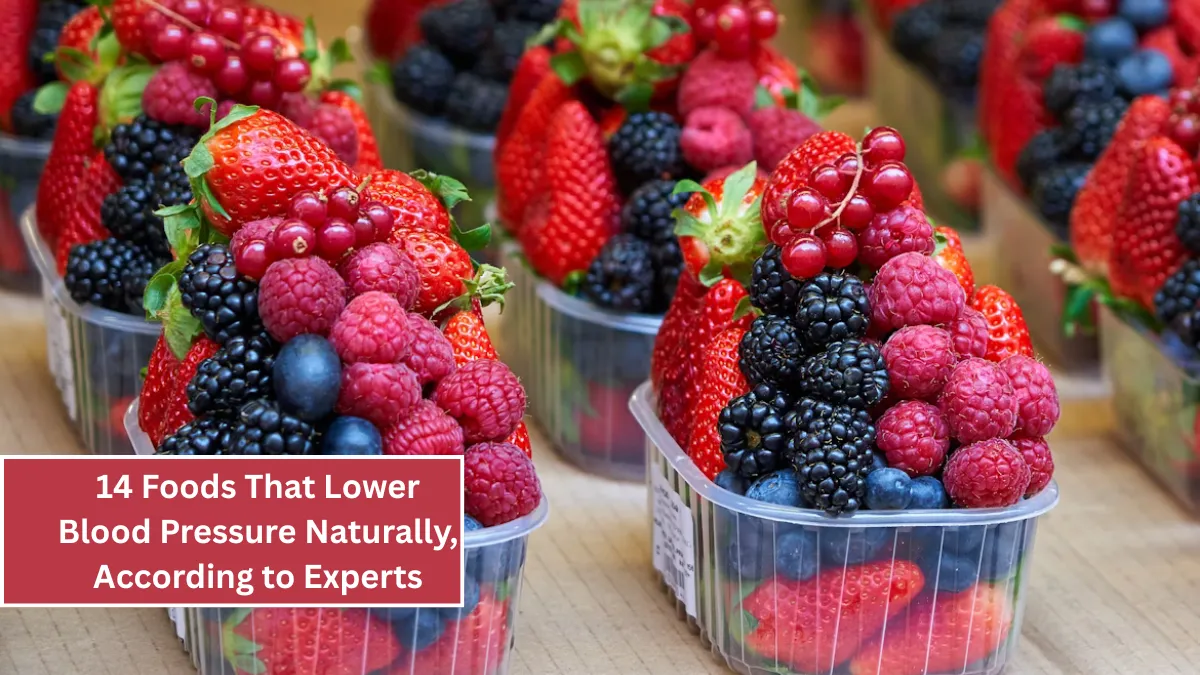
Berries like blueberries, strawberries, and raspberries are great for your heart. They are full of flavonoids, especially anthocyanins, which help your blood vessels work better and lower blood pressure. These fruits are packed with antioxidants that fight damage from stress and lower inflammation, both of which can raise blood pressure.
Eating berries often is linked to lower top and bottom blood pressure numbers. They’re also high in fiber and vitamin C, adding more heart benefits. You can eat them fresh, frozen, or dried (without added sugar) or toss them in yogurt or smoothies to help keep your blood pressure in check.
4. Leafy Greens
Leafy greens like spinach, kale, arugula, and Swiss chard are loaded with potassium, magnesium, and nitrates—all important for managing blood pressure. Nitrates turn into nitric oxide in your body, which helps open up blood vessels and improve flow. Potassium and magnesium also help control sodium levels and support your heart muscles.
Eating these greens every day has been linked to lower blood pressure. They can be used in many ways—try them in salads, blended in smoothies, or cooked in soups or stir-fries. Eating different types of greens gives you a mix of helpful nutrients and antioxidants.
5. Beets
Beets are excellent for lowering blood pressure because they have a lot of nitrates. These nitrates become nitric oxide in your body, which helps relax your blood vessels and improve flow. Studies show that drinking beet juice can reduce blood pressure within hours.
Beets also have potassium, fiber, and folate, all of which support heart health. You can roast them, juice them, or shred them into salads for a colorful and healthy boost. For the best results, use fresh beets, not processed ones that might have added salt or preservatives.
6. Garlic
Garlic is well known for its health benefits, especially when it comes to blood pressure. Its main active compound, allicin, helps widen blood vessels and improve circulation. Regularly eating garlic or taking garlic supplements can lead to big drops in both top and bottom blood pressure numbers.
Garlic is also rich in antioxidants that protect your cells and reduce inflammation. It’s easy to use garlic in your cooking—add it to vegetables, meat dishes, soups, and sauces. Eating it raw offers the strongest benefits, though even cooked garlic still supports your heart health.
7. Sweet Potatoes
Sweet potatoes are tasty and great for managing blood pressure. They’re packed with potassium, magnesium, and fiber—all of which help keep your blood pressure in a healthy range. Potassium helps reduce sodium’s effects, and magnesium keeps blood vessels relaxed.
The fiber helps digestion and controls cholesterol, adding more heart benefits. Sweet potatoes also have antioxidants like beta-carotene, which lower inflammation. Cook them by baking, roasting, or steaming with little or no added salt to get the most out of their nutrients and support your heart naturally.
8. Oatmeal
Oatmeal is one of the best foods for lowering blood pressure, thanks to its high content of soluble fiber, especially beta-glucan. This fiber helps lower cholesterol and improves blood vessel function. A high-fiber diet is often linked to better blood pressure levels, and oatmeal is a filling, easy way to get more fiber.
It also has a low glycemic index, which helps keep blood sugar stable and supports heart health. For the healthiest choice, use steel-cut or old-fashioned oats without added sugar or salt. Add berries, seeds, or nuts for extra benefits.
9. Salmon
Salmon and other fatty fish like sardines and mackerel are full of omega-3 fatty acids, which are great for your heart. These fats help lower blood pressure by reducing inflammation and improving how your blood vessels relax. Eating these fish regularly is linked to lower blood pressure and better heart function.
Salmon also provides protein and potassium, which help support your cardiovascular system. Try to eat fatty fish at least twice a week. Cook them by grilling, baking, or broiling instead of frying to keep them healthy.
10. Avocado
Avocados are rich in nutrients that help control blood pressure. They are very high in potassium—even more than bananas—and contain heart-healthy monounsaturated fats that can lower bad cholesterol. Avocados also offer magnesium and fiber, both of which are good for your heart.
The healthy fats help keep you full, which may help with weight control, another important part of managing blood pressure. You can slice avocados for toast, add them to salads, or mix them into smoothies and sauces for a creamy and healthy touch.
11. Quinoa
Quinoa is a whole grain filled with heart-healthy nutrients like magnesium, potassium, and fiber. It’s also a complete protein, offering all nine essential amino acids, which makes it great for a healthy diet. Its fiber helps regulate blood sugar and cholesterol, supporting better blood pressure.
Quinoa is naturally gluten-free and can be used in many dishes like salads, grain bowls, or instead of rice. Eating quinoa regularly adds variety and nutrition to your meals and supports long-term heart health.
12. Broccoli
Broccoli is a veggie that gives your heart a lot of support. It contains potassium, calcium, magnesium, and vitamin C, all of which help your blood pressure stay in a healthy range. Broccoli also has antioxidants and compounds that reduce inflammation and protect your blood vessels.
One of these, sulforaphane, may help reduce damage from oxidative stress and lower your blood pressure. Eat broccoli often for better heart health. You can steam, roast, or eat it raw, and it works well with lots of dishes. Lightly steaming it keeps the most nutrients intact.
12. Peaches and Nectarines
Peaches and nectarines are juicy fruits that help support healthy blood pressure levels. They provide potassium, fiber, and antioxidants, all good for your heart. These fruits also have a lot of water, which helps keep you hydrated—important for blood pressure control.
They’re low in sodium and calories, making them a good choice for people trying to manage their weight, which also affects blood pressure. Eating them often may help reduce stress and improve how well your blood vessels work. Enjoy them fresh, in smoothies, or in a salad.
13. Kiwi
Kiwis are small but full of nutrients that help lower blood pressure. They contain potassium, vitamin C, and antioxidants that support heart health. One study found that eating three kiwis daily reduced blood pressure more than eating one apple a day.
Kiwis also have actinidin, an enzyme that aids digestion and overall health. Their antioxidants help protect blood vessels from damage. Kiwis are easy to enjoy—eat them on their own, add to salads, or blend into smoothies to get their heart-healthy benefits.
14. Red Bell Peppers
Red bell peppers are full of heart-helping nutrients like potassium, vitamin C, and antioxidants. Just one medium pepper gives you over 150% of your daily vitamin C, which reduces stress on your blood vessels and helps them work better.
They are also high in fiber and low in calories, making them a smart choice for a heart-healthy diet. You can eat them raw, roast them, or stuff them with healthy fillings. Their sweet taste and crunch make them easy to enjoy while helping support healthy blood pressure.
Bottom Line
Eating the right foods is a simple and powerful way to lower blood pressure naturally. Adding fruits high in potassium, veggies rich in fiber, and fish with omega-3s can lead to lasting heart health. These foods work best when paired with regular activity, stress control, and routine doctor visits.
Talk to your doctor before making big diet changes, especially if you’re on medication. Your heart deserves care—start making these food choices now and enjoy better health for years to come.
FAQs
What foods help lower blood pressure quickly?
Foods like bananas, leafy greens, and beets are rich in potassium and nitrates, helping relax blood vessels and improve circulation for quicker results.
How many servings of these foods should I eat daily?
Try to eat at least 4 to 5 servings of fruits and veggies a day, along with 2 to 3 servings of whole grains or heart-healthy proteins like fish or quinoa.
Are there foods I should avoid for better blood pressure?
Yes, avoid foods high in salt, unhealthy fats, and added sugars—like chips, fried items, and sweet drinks—as they can raise your blood pressure.
Can I manage blood pressure without medicine?
Many people can manage blood pressure naturally with diet, exercise, and stress control, but always check with your doctor to see what’s best for you.


Christopher J is a passionate food blogger with a love for bold flavors, comforting classics, and culinary storytelling. From street food gems to gourmet experiences, Christopher shares honest reviews, easy recipes, and personal food journeys that connect taste with culture. Whether he's exploring hidden eateries or experimenting in his home kitchen, Christopher brings every dish to life with warmth and creativity. Follow him for delicious discoveries, food tips, and a flavorful perspective on everything edible.