Fruits are loved for their sweet taste and bright colors, but some also offer a good amount of protein—a key nutrient for building and fixing muscles and staying healthy overall. While most people think of protein as something found in meat, beans, or dairy, a few fruits also provide this important nutrient.
Whether you follow a plant-based diet or just want to eat healthier, adding protein-rich fruits to your meals is a great idea. From smooth avocados to juicy cantaloupes, these fruits don’t just taste good—they’re packed with vitamins and antioxidants that help your body stay strong and feel great.
1. Avocado
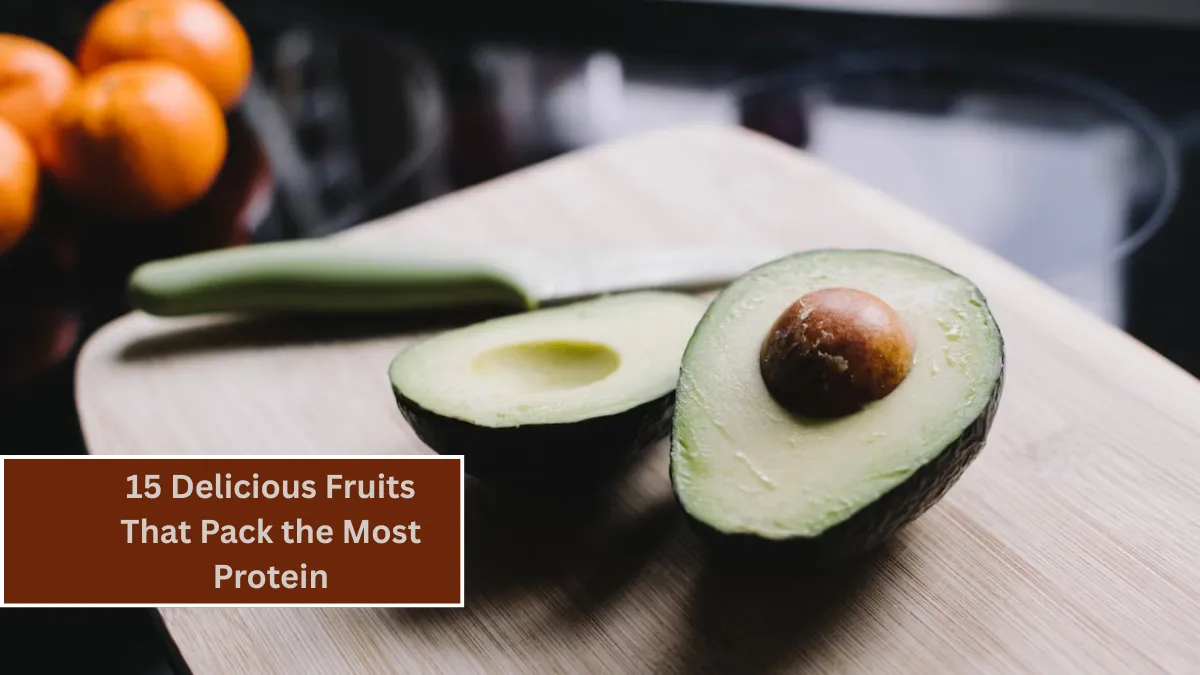
Avocados are famous for their healthy fats, but they also offer more protein than many other fruits. One whole avocado has about 3 grams of protein, which makes it a smart choice for naturally adding protein to your meals. Along with protein, avocados contain good fats, potassium, fiber, and vitamins like K, C, E, and several B vitamins.
Their smooth texture makes them perfect for spreads, salads, smoothies, and even desserts. Adding avocado to your diet not only helps your muscles recover but also supports heart health and helps your body absorb other nutrients better.
2. Guava
Guava is one of the highest-protein fruits, giving you over 4 grams of protein per cup. On top of that, guava is packed with vitamin C—more than oranges—which helps keep your immune system strong. This fruit also offers fiber, folate, and antioxidants like lycopene, which protect your cells.
Its flavor is sweet with a little tang, and it can be eaten raw, juiced, or used in jams. Guava’s strong nutrition profile makes it a top choice if you want to build muscle, boost your immune system, and improve your overall health in a natural way.
3. Kiwi
Kiwi may be small, but it delivers a strong punch of nutrients, including around 2 grams of protein per cup. This green fruit is known for being very high in vitamin C—more than most fruits provide in a single serving. It’s also rich in fiber, vitamin K, potassium, and helpful antioxidants that are great for your skin and digestion.
With its mix of sweet and sour, kiwi is popular in fruit bowls, desserts, and smoothies. Eating kiwi often can help muscles heal, protect your immune system, and improve digestion because of a natural enzyme called actinidin.
4. Apricots
Apricots give you about 1.4 grams of protein per cup, which may seem small, but they come with lots of other good nutrients. They’re full of vitamins A and C, fiber, and strong antioxidants that help keep your eyes, skin, and immune system healthy.
Fresh apricots are especially good for you, but dried apricots offer even more protein by weight. Their soft feel and naturally sweet flavor make them perfect for snacks or as a topping on yogurt, cereal, and salads. Whether fresh or dried, apricots are a simple and healthy way to support your body’s needs.
5. Blackberries
Blackberries taste great and also give you about 2 grams of protein per cup, which is more than many other fruits. They’re packed with vitamin C, vitamin K, manganese, and powerful antioxidants called anthocyanins that give them their deep purple color. Blackberries are also high in fiber, which helps your digestion and keeps your blood sugar steady.
Their tangy-sweet flavor makes them great in desserts, smoothies, salads, and even savory meals. Eating blackberries often can help your muscles heal faster, improve your immune system, and support gut health with every juicy bite.
6. Jackfruit
Jackfruit stands out because of its meat-like texture and good amount of protein—about 2.8 grams per cup. It’s often used as a meat alternative because it has a fibrous texture that soaks up spices and sauces well. Jackfruit also has vitamin C, potassium, fiber, and small amounts of other nutrients.
Its slightly sweet taste works well in both savory dishes and sweet treats, like sandwiches or smoothies. Adding jackfruit to your meals can help with muscle building and digestion while offering a hearty, plant-based way to get more protein into your diet.
7. Cherries
Cherries are best known for their sweet or tart taste, but they also have about 1.5 grams of protein per cup. Along with that, they’re full of antioxidants like anthocyanins and melatonin, which help you sleep and fight inflammation. Cherries also contain vitamin C, potassium, and fiber.
Tart cherries in particular have been found to reduce muscle soreness and improve recovery after working out. Including cherries in your diet is great for helping your muscles, getting better sleep, and keeping your heart and joints healthy all at the same time.
8. Oranges
Oranges are famous for being rich in vitamin C, but they also give you around 1.2 grams of protein in a medium-sized fruit. They’re a great source of fiber, potassium, folate, and antioxidants that help your skin, heart, and immune system. Oranges are sweet, refreshing, and easy to eat, whether as a snack or part of a meal.
It’s best to eat the whole fruit rather than drink the juice so you don’t miss out on the fiber. Eating oranges often supports muscle healing, helps produce collagen, and keeps your body’s fluids balanced.
9. Bananas
Bananas are one of the most popular fruits around the world, offering about 1.3 grams of protein per medium banana. They also provide lots of potassium, vitamin B6, vitamin C, and fiber, which help you stay energized and support muscle work. Because they’re naturally sweet, bananas give a quick energy boost, which is why athletes love them.
They also help lower blood pressure and improve digestion. You can eat them plain, in a smoothie, or with nut butter. No matter how you enjoy them, bananas are a healthy, protein-friendly snack for any time of day.
10. Passion Fruit
Passion fruit is a tropical favorite with a mix of sweet and tart taste and around 5 grams of protein per cup of pulp. It’s full of vitamin C, fiber, and plant compounds like carotenoids and polyphenols that help your heart and fight inflammation. The seeds inside are edible and contain good fats and antioxidants.
You can eat passion fruit as is, mix it into yogurt, blend it in drinks, or use it in desserts. It’s great for muscle recovery, digestion, and keeping your immune system strong while adding a tropical flair to your meals.
11. Pomegranate Arils (Seeds)
Pomegranate arils give you about 3 grams of protein per cup and offer tons of health perks, including vitamin C, K, fiber, and antioxidants like punicalagins. These nutrients fight inflammation and protect your heart. Pomegranate seeds have a fun, crunchy texture and a tart-sweet flavor that makes them great in salads, cereal, yogurt, or smoothies.
Eating them regularly can help your muscles recover faster, keep your heart healthy, and support your joints. Their rich red color and bright flavor also make them a tasty and beautiful way to add nutrition to your day.
12. Raisins
Raisins are simply dried grapes, and just one ounce (a small handful) gives you about 1 gram of protein. They’re packed with iron, potassium, fiber, and antioxidants, which make them a great on-the-go snack. Because they’re dried, raisins have more concentrated sugar and nutrients, making them ideal for people who need quick energy, like athletes.
Raisins support muscle work, improve digestion, and help keep bones strong. You can toss them into oatmeal, trail mix, or baked goods to give your meals a protein boost while enjoying a sweet and chewy treat.
13. Grapefruit
Grapefruit has about 1.6 grams of protein per fruit, along with lots of vitamin C, A, and powerful antioxidants like lycopene and flavonoids. Known for its zesty, slightly sour taste, grapefruit may help boost your metabolism and immune system. It also has plenty of water, which helps you stay hydrated.
Eating grapefruit may help balance your blood sugar and improve heart health. Just be careful if you’re on certain medications, since grapefruit can affect how they work. Still, it’s a great fruit to add to breakfasts, salads, or enjoy on its own.
14. Tomatoes
Even though we often think of tomatoes as vegetables, they’re actually fruits and give you about 1.6 grams of protein per cup of chopped tomatoes. They’re full of lycopene, an antioxidant linked to lower risks of heart problems and certain cancers. Tomatoes also contain vitamin C, potassium, folate, and vitamin K.
They’re easy to use in salads, sauces, or cooked dishes, and they boost the nutrition in just about any meal. Eating tomatoes helps with muscle strength, heart health, and better skin, thanks to their high amount of protective nutrients and natural goodness.
15. Cantaloupe
Cantaloupe, or muskmelon, gives you about 1.5 grams of protein per cup of diced fruit. It’s rich in vitamins A and C, which are key for strong immunity, healthy skin, and good vision. Cantaloupe has a high water content, making it perfect for staying hydrated, especially on hot days.
With its sweet flavor, it works well in fruit salads, smoothies, or eaten plain. Eating cantaloupe regularly can help muscles heal, keep your body hydrated, and fight off free radicals. It’s a simple, refreshing, and healthy fruit to enjoy all year long.
Bottom Line
Eating more protein-rich fruits is a tasty and easy way to get more of this important nutrient every day. From avocados to cantaloupe, these 15 fruits give you more than just sweetness—they support muscle growth, digestion, and immune strength. Whether you eat them as a snack or mix them into your meals, these fruits can help you reach your health goals while keeping your meals colorful and fun. So the next time you want something nutritious and tasty, pick a protein-packed fruit and enjoy a healthy boost to your day.
FAQs
Which fruit gives you the most protein?
Guava is one of the top fruits for protein, offering over 4 grams per cup.
Can these fruits help build muscle?
Yes! Fruits like jackfruit and avocado can support muscle repair, especially when combined with other high-protein foods.
Are fruits enough for protein needs?
Fruits help, but you should also eat other protein-rich foods like nuts, legumes, and grains to meet your full needs.
Do these fruits help with weight loss?
Yes! Many, like grapefruit and blackberries, are low in calories and high in fiber, which helps with managing weight.
Ricardo K is a passionate food blogger known for his vibrant storytelling, mouthwatering recipes, and deep love for global cuisines. With a background in culinary arts and a taste for travel, Ricardo brings a fresh perspective to every dish—whether it's a comforting home-style recipe or a bold street food adventure. Through his blog, he shares easy-to-follow recipes, honest restaurant reviews, and cooking tips that inspire food lovers of all levels. When he's not in the kitchen, Ricardo is exploring farmers' markets, tasting local delicacies, and photographing every delicious moment along the way.