Eating healthy meals every day is important to keep your body strong, and vegetables are one of the best ways to do that. They are full of important nutrients that help boost energy, improve digestion, support your immune system, and help you feel good overall. This article shares 10 great vegetables that you should try to eat every day.
These vegetables are rich in vitamins, fiber, and antioxidants that can protect you from serious health issues. From dark greens like kale and spinach to colorful veggies like carrots and bell peppers, there’s something here for everyone. Keep reading to see how these healthy vegetables can help you feel your best and how you can add them to your meals easily.
1. Brussels Sprouts
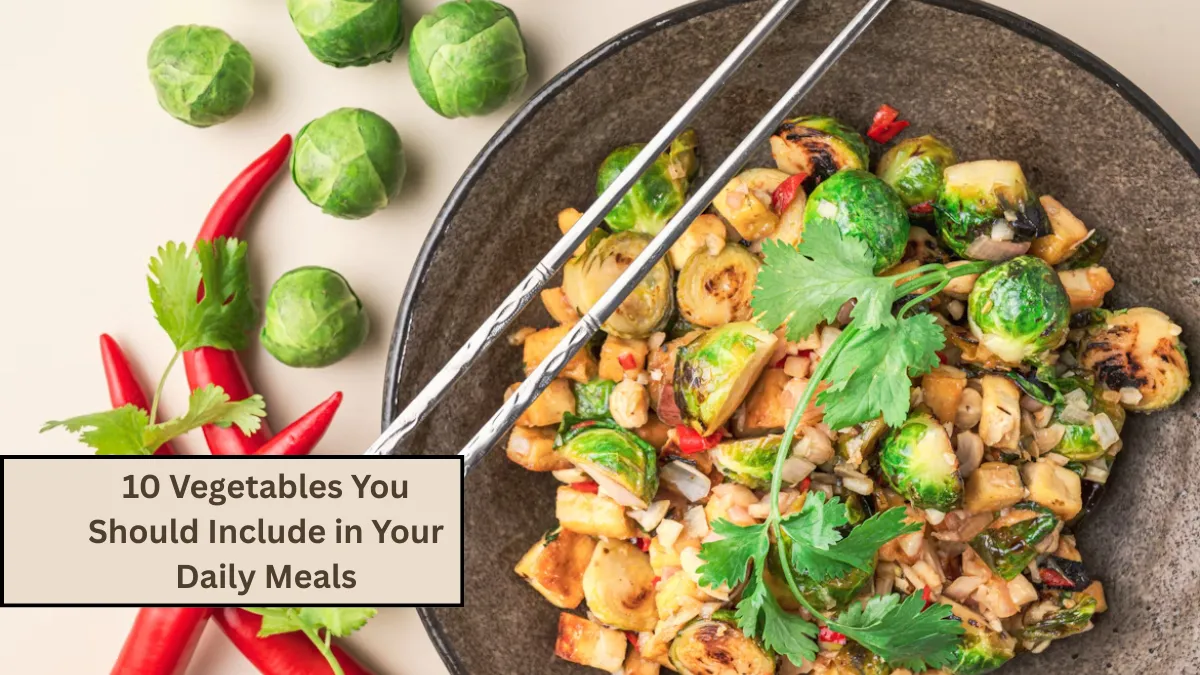
Brussels sprouts are tiny green vegetables that look like little cabbages. They are full of important vitamins like K and C, along with fiber and folate. These nutrients help reduce swelling in the body and protect you from long-term health problems. The fiber in Brussels sprouts keeps your digestion smooth and supports your gut. Vitamin K is great for strong bones and healthy blood flow.
Brussels sprouts also contain plant compounds that may help fight cancer. You can roast, steam, or sauté them for a tasty side dish. Roasting them makes them sweeter and less bitter, which many people enjoy. Adding Brussels sprouts to your meals can be a smart way to eat more healthy foods each day.
2. Kale
Kale is a leafy green that many people call a “superfood” because it has so many nutrients packed in each leaf. It’s loaded with vitamins A, C, and K, and it also has calcium, magnesium, and potassium. Kale has special antioxidants that help protect your body from stress and damage.
The fiber helps your gut stay healthy and keeps your blood sugar steady. Kale also has nutrients that are good for your eyes. You can eat kale raw in salads, add it to smoothies, or cook it with a little olive oil and garlic. Massaging it with lemon juice makes it less bitter. Adding kale to your meals is a simple way to get more nutrients and feel healthier overall.
3. Spinach
Spinach is a leafy vegetable that has been valued for its health benefits for a long time. It’s rich in vitamins A and C, along with iron, calcium, and folate. Spinach is a great choice for people who need more iron in their diets, like pregnant women. Eating it with foods high in vitamin C can help your body absorb the iron better.
Spinach also helps protect your heart and eyes, thanks to its strong antioxidants and natural plant nitrates. You can enjoy spinach raw in salads, cooked in soups, or mixed into smoothies. Since it shrinks a lot when cooked, it’s easy to eat a full serving. Adding spinach to your day is an easy and tasty way to improve your health.
4. Beets
Beets are a colorful root vegetable that bring both beauty and benefits to your plate. They are rich in vitamins like C and important minerals like potassium, iron, and folate. Beets also have nitrates, which your body turns into a helpful compound that improves blood flow and lowers blood pressure. That’s why they’re great for heart health and can boost physical performance.
Beets have antioxidants that reduce inflammation and help your liver work better. You can eat beets raw, roasted, or even juiced. They’re perfect in salads, soups, and healthy bowls. Don’t forget the beet greens—they’re also good for you. Beets are a simple and colorful way to add powerful nutrients to your meals every day.
5. Sweet Potatoes
Sweet potatoes are tasty and packed with nutrients that support good health. They’re a great source of healthy carbs, fiber, and vitamins like A and C. Beta-carotene, found in sweet potatoes, turns into vitamin A in the body and helps your eyes, skin, and immune system. They also contain potassium and manganese, which support your heart and digestion. Because they’re high in fiber, they help keep your blood sugar steady and improve gut health.
You can bake, roast, mash, or make fries and soups with them. Their sweetness works well with both sweet and savory dishes. Since they don’t spike your blood sugar, sweet potatoes are a smart choice for regular meals that are both satisfying and good for you.
6. Broccoli
Broccoli is known as a healthy vegetable because of its strong mix of vitamins and other helpful nutrients. It’s full of vitamin C, fiber, potassium, and a special compound called sulforaphane that may help prevent cancer. The fiber in broccoli keeps your digestion running smoothly, and the antioxidants help fight inflammation.
Broccoli also supports a healthy heart by lowering cholesterol and helping control blood pressure. You can steam, roast, stir-fry, or add it to soups and salads. Steaming is one of the best ways to keep its nutrients. Broccoli is easy to add to many dishes and helps you build a strong immune system and stay healthy in the long run.
7. Bell Peppers
Bell peppers come in bright colors and are sweet, crunchy, and very good for you. Red bell peppers are especially rich in vitamin C, which supports your immune system and helps your body absorb iron. They also have vitamin A, B6, and antioxidants like beta-carotene that protect your cells from damage. With few calories and lots of water, they’re perfect for staying hydrated and managing your weight.
You can eat bell peppers raw, stuff them and bake them, or add them to stir-fries and salads. The nutrients in bell peppers also help keep your eyes healthy. Adding different colors of bell peppers to your meals gives you both flavor and a big nutrition boost.
8. Cauliflower
Cauliflower is a white, mild-tasting vegetable that offers a lot of nutrients. It’s a good source of vitamin C, vitamin K, and fiber, as well as other important minerals. Cauliflower has special plant compounds that help your body clean out toxins and may lower the chance of getting certain cancers. Its fiber keeps your digestion healthy and makes you feel full longer.
People like using cauliflower as a low-carb swap in recipes like mashed potatoes, pizza crust, or rice. You can roast it, steam it, or mix it into soups and stews. Because it has a gentle taste, it fits into all kinds of meals and helps you eat healthier without changing your favorite recipes too much.
9. Carrots
Carrots are a bright orange root vegetable that many people enjoy. They are packed with beta-carotene, which turns into vitamin A and supports eye health, immune strength, and smooth skin. Carrots also contain fiber, vitamin K, potassium, and antioxidants that protect your body from damage. Eating carrots can help your heart by lowering cholesterol and managing blood pressure.
You can eat them raw, roasted, or cooked into soups and baked goods like muffins. Baby carrots make for a quick and easy snack. Including carrots in your meals adds color and crunch, and their sweet flavor makes them popular with kids and adults alike. They are a smart and easy way to stay healthy.
10. Zucchini
Zucchini is a soft green squash that’s low in calories but high in nutrients. It contains vitamin C, potassium, and antioxidants like lutein that support your eyes and help fight inflammation. Zucchini has lots of water and fiber, which help with digestion and weight control. Since it has a light flavor, zucchini works in many different recipes.
You can spiralize it into noodles, bake it into muffins, grill it, or toss it into soups and stir-fries. It’s also a great choice for those looking to eat fewer carbs. Zucchini helps keep your heart healthy and fits into nearly any kind of diet, making it a useful and healthy veggie to enjoy often.
Last Thought
Eating different vegetables every day is one of the best ways to stay healthy and feel your best. The 10 vegetables listed above are full of the nutrients your body needs to stay strong, from fiber and vitamins to special compounds that protect your cells. These vegetables are also easy to cook and taste great in many dishes.
Whether you like them raw, cooked, or blended into smoothies, there are lots of ways to enjoy them. Start by adding a few to your meals each week and build from there. Over time, you’ll feel better, have more energy, and know you’re doing something great for your health.
FAQs
Why should I eat vegetables every day?
Vegetables are full of important nutrients like fiber, vitamins, and antioxidants that help your body stay strong and prevent serious diseases.
What’s the healthiest way to cook vegetables?
Steaming, roasting, or lightly sautéing vegetables keeps the most nutrients while also bringing out their natural flavors.
Can I eat these vegetables raw?
Yes, many of them—like carrots, bell peppers, spinach, and zucchini—can be eaten raw, but some are easier to digest or more nutritious when cooked.
How do I keep vegetables fresh for longer?
Store them in the fridge in containers or bags that let them breathe. Wrap leafy greens in a paper towel to keep them dry and crisp.
Christopher J is a passionate food blogger with a love for bold flavors, comforting classics, and culinary storytelling. From street food gems to gourmet experiences, Christopher shares honest reviews, easy recipes, and personal food journeys that connect taste with culture. Whether he's exploring hidden eateries or experimenting in his home kitchen, Christopher brings every dish to life with warmth and creativity. Follow him for delicious discoveries, food tips, and a flavorful perspective on everything edible.