
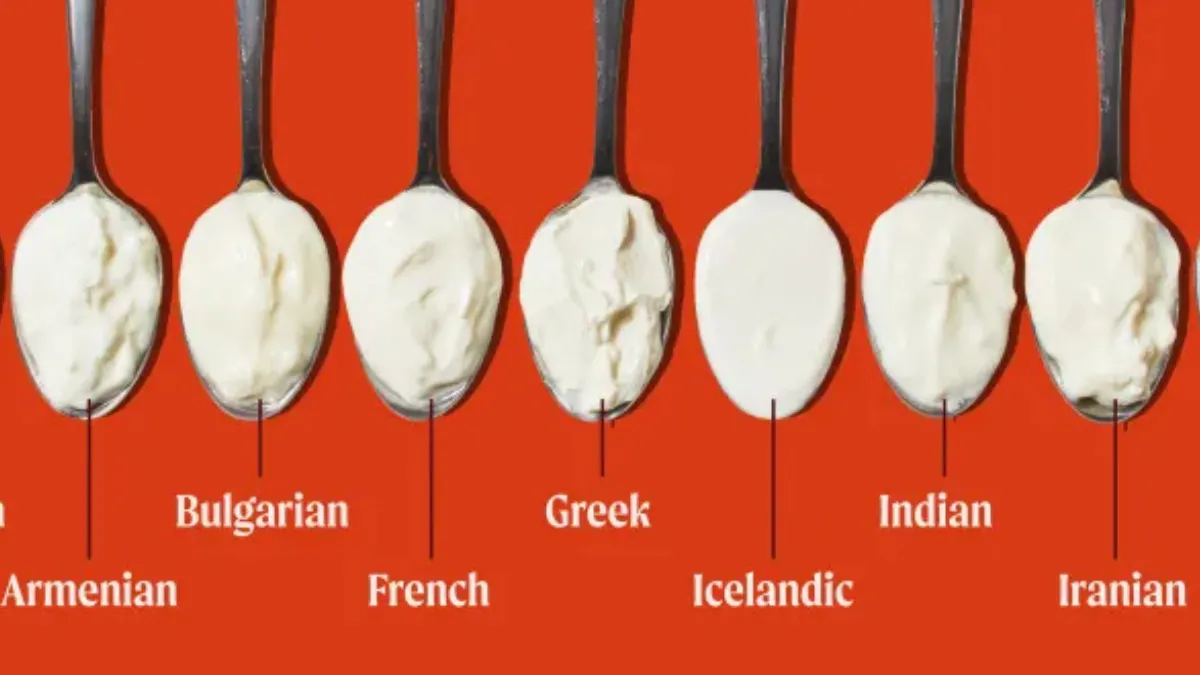
Yogurt is a popular dairy treat enjoyed in many ways across the world. From thick Greek yogurt to drinkable kefir, every region has created its own kind based on local customs, ingredients, and taste preferences. Whether eaten plain, sweetened with fruit, or seasoned for savory dishes, yogurt is not only tasty but also healthy. It’s full of probiotics that help your digestion, calcium for strong bones, and protein to keep you full.
In this post, we’ll take a tasty trip through seven different kinds of yogurt from around the world. You’ll learn what makes each one unique, how they’re made, and what role they play in their local cuisine. Whether you love to travel, enjoy eating healthy, or just love yogurt, this guide will show you how varied and delicious yogurt can be. Let’s explore the creamy, flavorful traditions behind these global yogurt types.
Greek Yogurt (Greece)
Greek yogurt, or “straggisto” in Greek, is one of the most popular yogurt types worldwide. Its thick and creamy texture comes from straining out most of the whey—the watery part of milk. This makes Greek yogurt denser and gives it more protein than regular yogurt, making it great for athletes, health-focused eaters, or anyone needing a filling meal. It usually has twice the protein and less sugar compared to normal yogurt.
Traditional Greek yogurt is made with sheep’s milk, though store-bought versions often use cow’s milk. It has a tangy taste and is used in both sweet and savory dishes. People in Greece often eat it with honey and nuts or mix it into tzatziki—a dip with cucumber, garlic, and herbs. Because of its texture, it also works well in recipes instead of cream, sour cream, or mayo. Greek yogurt’s health perks and versatility have made it popular around the world.
Skyr (Iceland)
Skyr is a traditional Icelandic dairy product that looks and tastes like yogurt, but it’s technically a soft cheese because of how it’s made. Skyr has been part of Icelandic life since Viking times—over 1,000 years. It’s made from skim milk and special bacteria, then strained a few times to get rid of extra whey. This gives it a thick, smooth texture that’s close to Greek yogurt, though the taste is a bit milder.
In Iceland, people eat skyr with sugar and fruit or add it to meals like smoothies and baked goods. It’s super high in protein and low in fat, making it very nutritious. Long ago, families made their own skyr, and each region had its own style. Today, you can buy skyr in stores across the world, in flavors or plain. Skyr is satisfying and rich in nutrients, making it popular with fitness lovers. It’s also packed with probiotics and calcium for gut and bone health.
Matsoni (Caucasus Region)
Matsoni, sometimes spelled “matzoni,” is a yogurt-style drink from the Caucasus, especially Georgia and Armenia. It’s been around for centuries and is made by fermenting cow, goat, or sheep milk using friendly bacteria. These cultures grow well at lower temperatures than normal yogurt bacteria, giving matsoni a soft texture and slightly sour taste. It’s similar to custard and not as thick as Greek yogurt but not as thin as a drink.
Matsoni is special because of how it’s made and its probiotic power. It’s often made at home by adding a little from a previous batch to warm milk and letting it sit overnight. Since it’s not strained, it keeps the natural whey and remains soft. People enjoy it with bread, fruit, or honey. Many believe it helps with digestion and even promotes a longer life. This belief, especially common in Georgia, has made matsoni more popular worldwide as a healthy, homemade yogurt option.
Lassi (India/Pakistan)
Lassi is a traditional drink made with yogurt and is widely loved in India and Pakistan. It’s usually enjoyed during hot weather to cool down the body. Lassi is made by mixing yogurt with water, spices, or fruit. There are two types—sweet lassi and salty lassi. Sweet lassi may include sugar, rose water, or cardamom, while salty ones often have cumin, salt, and black pepper.
Lassi is more than a drink—it’s part of local culture and hospitality. In villages, it’s served in clay cups called “kulhads,” giving it a traditional touch. The yogurt in lassi helps with digestion and cools the stomach, especially after spicy foods. In Punjab, rich versions like “makkhan lassi” have cream or butter on top. Lassi also plays a role in festivals and religious events. Today, flavored versions like mango lassi are served in restaurants around the world and loved as a sweet, smooth treat.
Kefir (Eastern Europe/Central Asia)
Kefir is a fermented milk drink that comes from the Caucasus Mountains and has been part of Eastern European and Central Asian diets for a long time. Unlike regular yogurt, kefir is made with kefir grains—a mix of helpful bacteria and yeast. These grains look like tiny bits of cauliflower and have many kinds of good microbes that help with digestion and health.
Kefir has a tangy taste and a thin, pourable texture. It’s often fizzy because of the yeast, and it has more probiotics than most yogurts. People used to make kefir in goat-skin bags and shake them throughout the day. Now, kefir is sold everywhere, and you can even find versions made from non-dairy milk like almond or coconut. Many people drink kefir plain, mix it into smoothies, or pour it over cereal. Because it helps the gut and boosts immunity, kefir is now seen as a superfood.
Labneh (Middle East)
Labneh, also called labna or labaneh, is a yogurt cheese enjoyed in Middle Eastern countries like Lebanon, Syria, Jordan, and Israel. It’s made by straining full-fat yogurt to remove the whey, creating a thick, creamy spread similar to cream cheese. Labneh has a tangy flavor and is often eaten with bread, used as a dip, or served with olive oil and herbs like za’atar.
Labneh stands out because of its rich flavor and high fat content. It can even be shaped into balls and stored in olive oil. In Middle Eastern meals, labneh is often eaten at breakfast or included in mezze platters with olives, tomatoes, cucumbers, and pita. It’s also a great base for sauces or salad dressings. Labneh is full of protein, calcium, and probiotics, making it good for your health. Thanks to the rising interest in Mediterranean food, labneh is now easy to find in stores around the globe.
Set Yogurt (China/Japan)
Set yogurt is common in East Asia, especially in China and Japan, and it has a different texture from other yogurts. In this type, milk and bacteria are added to a container and left to ferment without stirring. This lets the yogurt form a smooth, firm texture that holds its shape, similar to custard. It’s different from stirred yogurt, which is mixed before it’s packed.
In Japan, people usually eat set yogurt plain or with fruit syrup or honey. It has a light, soft flavor that’s not too sour, which many people like. In China, sweet flavors like red bean, jasmine, and lychee are added. It’s usually sold in small containers with foil lids. Set yogurt is loved for its simple taste and smooth feel. It’s seen as a healthy snack, especially among people who want lighter dairy options. As more people look for milder yogurts, set yogurt is becoming more popular worldwide.
Last Thought
Yogurt is more than just a food—it’s a part of cultural traditions, cooking history, and good nutrition. From the creamy Greek style to kefir’s probiotic richness and the smooth, mild yogurt from Japan, each kind has its own story. Trying different yogurts not only adds new flavors to your meals but also helps you understand food from other cultures.
Whether you like it thick, drinkable, sweet, or savory, there’s a yogurt for everyone. Pick one you’ve never tried before and enjoy how something simple can connect people around the world.
FAQs
What is the healthiest type of yogurt?
Greek yogurt and skyr are often seen as the healthiest choices because they have a lot of protein, little sugar, and helpful probiotics.
Is kefir the same as yogurt?
No. Kefir is a drink made with special grains that have both bacteria and yeast. It’s thinner and has more probiotics than regular yogurt.
Can people who are lactose-intolerant eat yogurt?
Yes, many can. Yogurts like skyr, kefir, and Greek yogurt have less lactose, so they’re often easier to digest than milk.
What’s the difference between Greek yogurt and regular yogurt?
Greek yogurt is strained to remove the whey, which makes it thicker, higher in protein, and lower in sugar than regular yogurt.


Ricardo K is a passionate food blogger known for his vibrant storytelling, mouthwatering recipes, and deep love for global cuisines. With a background in culinary arts and a taste for travel, Ricardo brings a fresh perspective to every dish—whether it's a comforting home-style recipe or a bold street food adventure. Through his blog, he shares easy-to-follow recipes, honest restaurant reviews, and cooking tips that inspire food lovers of all levels. When he's not in the kitchen, Ricardo is exploring farmers' markets, tasting local delicacies, and photographing every delicious moment along the way.